In this article
When a guest disputes a payment, the money leaves first. You only get it back if you win.
The short answer: A chargeback is when a guest asks their bank to take a payment back. The bank reverses the money straight away, and you must prove the charge was fair, usually within 7 to 21 days, or you lose. To protect yourself, show your full cancellation terms before payment and get the guest to agree, keep records of everything, use a clear name on the card statement, and answer any dispute on time with one complete set of evidence.
Picture this. A guest stays for a week, then asks for a refund after they get home. You say no, because they agreed to your cancellation terms. A few weeks later, the money for the booking disappears from your account. The guest called their bank.
That is a chargeback. It is common enough that every owner who takes card payments should know the basics.
What is a chargeback?
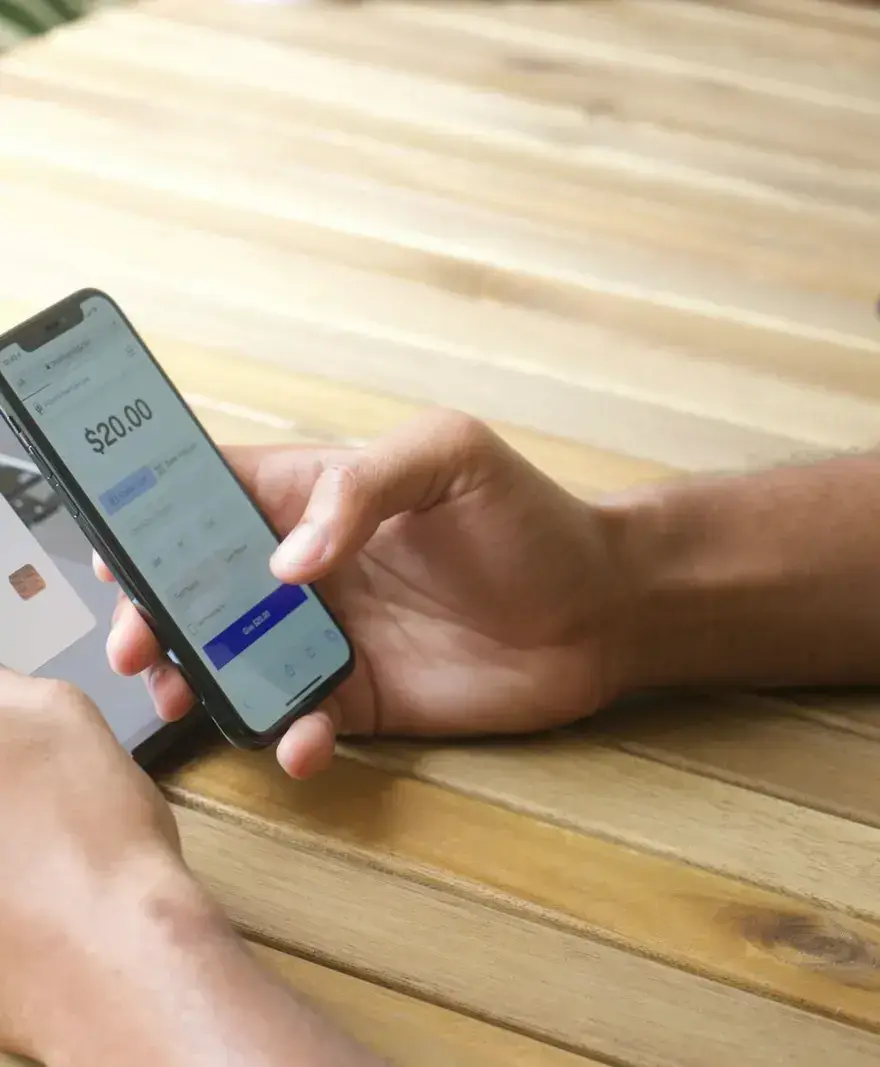
Stripe explains it like this: a cardholder questions a payment with their bank, and the bank reverses the payment right away. The money, plus a dispute fee, is taken back from the business. After that, the business can send evidence and ask the bank to decide again.
- The money leaves first. You get it back only if you win.
- You usually have 7 to 21 days to answer, depending on the card network. If you miss the deadline, you lose automatically.
- In the US, Stripe charges a $15 dispute fee, and a further $15 if you challenge the dispute. The second fee is returned if you win (Stripe).
- The bank can take up to 3 months to decide.
What happens to a chargeback on a booking site?
If a guest books on a site like Airbnb, the site handles the payment, and its rules decide what happens. Airbnb's Terms of Service say that if a guest gets a refund after you were paid, Airbnb may recover that amount from you, including by taking it from future payouts, and may delay a payout until a refund decision is made.
Airbnb's Payments Terms say it may collect amounts you owe by holding back a future payout. In short: you follow the site's process, and you have little control over how your evidence is used. Read the current terms of any site you use, since they change.
Some vendor blogs claim that Airbnb removed all time limits on host liability in 2025. We could not find that in Airbnb's own terms, so check the terms directly before you rely on it.
On your own website it is different. You take the payment, so you answer the dispute, and you decide what evidence to send. That is more work, and also more control.
How can you prevent chargebacks?
- Show your full policy before the guest pays. Stripe says to present the complete refund and cancellation terms at checkout and require the guest to agree. A checkbox that only links to the terms can be rejected as weak evidence (Stripe best practices).
- Use a name guests recognise on their card statement. Many disputes start with "I do not know this charge." Stripe suggests your website address or business name.
- Collect full payment details. Name, email, and billing postal code help the bank check that the guest is real.
- Check who is booking. Many rental guides suggest checking guest ID alongside card details, and using screening to flag odd booking patterns.
- Be easy to reach, and fix problems fast. A guest who gets a quick reply is less likely to call the bank.
- Keep every message in writing. If you talk by phone, confirm what was said by email.
One thing many owners get wrong
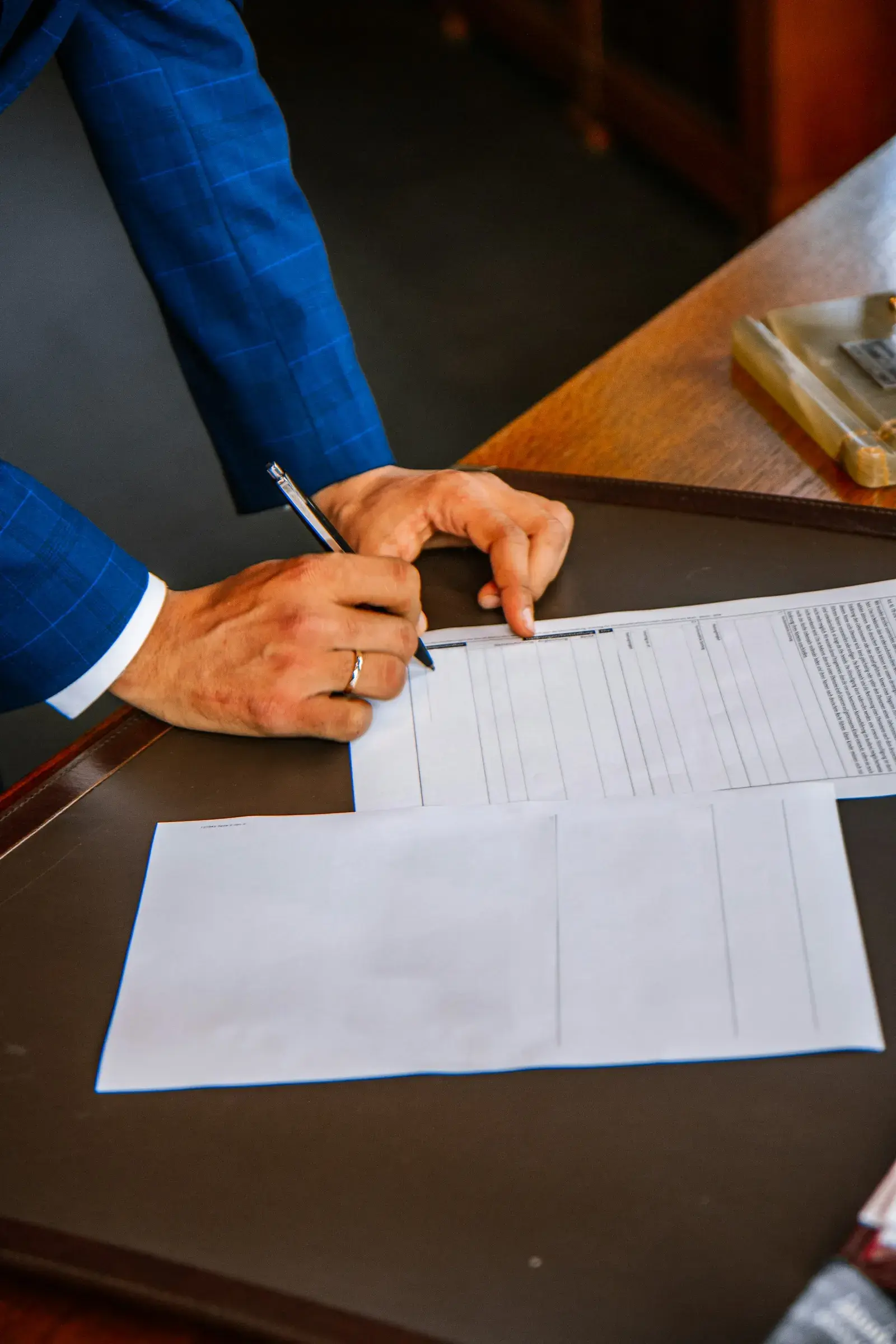
A partial refund does not protect you. Stripe says guests can still dispute a partly refunded payment, and card network rules can allow the dispute for the full amount.
If you agree to refund part of a stay, get the guest to confirm in writing that it settles the matter, and keep that message.
What should you do if you get a dispute?
- Do not ignore it. Note the deadline the day it arrives.
- Read the claim. Find out what the guest says went wrong.
- Try to sort it out with the guest. Stripe says some guests withdraw a dispute when the problem is solved. If the guest is happy, the dispute may be dropped.
- Send one full set of evidence. You get only one chance to submit, so gather everything first.
- Know the fees. The $15 dispute fee is not returned, even if you win.
What evidence to keep
- The booking confirmation, dates and amount
- The guest's agreement to your cancellation and house rules, with the date
- The guest's ID and card checks, if you did them
- Messages with the guest, including check-in instructions you sent
- Proof of the stay: access logs, a check-in message, photos
- Photos and costs of any damage, taken before and after
Stripe's guide to responding adds some useful rules. The bank does not click links or play audio and video, so put everything in documents. You can send one file per type of evidence, so combine pages into a single file. The total size limit is 4.5 MB.
This is general information and not legal advice. If a large amount is at stake, ask a lawyer or your payment provider for help.
Control your own payments
A booking site is convenient, but you give up the payment page, the terms the guest sees and the records. On your own website, you set the terms, show them in full, and keep the evidence. Guests pay on Stripe's payment page, so you never touch their card numbers.
Launch Pad gives you a booking website with payments on Stripe for $999 to set up. Your site is ready in 7 working days, or it is free, and you pay the other half only when you go live. You can see how it works or compare the plans.
Related reading: how much Airbnb really takes from you and is WordPress safe for a vacation rental website?.
Not sure what is possible for you? Ask us
On a call, we will:
- Review your cancellation terms and your payment page, and tell you what is missing before a dispute happens.
- Explain what evidence you would need to answer a dispute, and how to keep it.
- Be straight about the limits: no payment page can stop every chargeback.
We will tell you honestly what is realistic. We do not promise results, because nobody honest can.
Common questions
- What is a chargeback on a vacation rental?
- A chargeback is when a guest asks their bank to reverse a card payment. The bank takes the money back first, and you must send evidence to try to win it back. Source: Stripe.
- How long do I have to respond to a chargeback?
- Usually 7 to 21 days, depending on the card network. If you do not respond in time, you lose the dispute automatically and cannot get the money back. Source: Stripe.
- How can I prevent chargebacks as a rental owner?
- Show your full cancellation terms before payment and get the guest to agree, use a recognisable name on card statements, collect full payment details, check guest identity, reply to problems fast, and keep written records of everything.
- Does a partial refund stop a chargeback?
- No. Stripe says a partly refunded payment can still be disputed, and card network rules can allow the full amount to be disputed. Get the guest to confirm in writing that the refund settles the matter.
Sources and helpful links
- Stripe: disputes — how a chargeback works
- Stripe: respond to disputes — deadlines, evidence rules and fees
- Stripe: best practices to prevent disputes — showing policies, descriptors and payment details
- Stripe: dispute fee update — the $15 dispute fees in the US
- Airbnb: Terms of Service — refunds and recovering amounts from payouts
- Airbnb: Payments Terms — how payouts can be held back